How to Remove an Old Dishwasher
About This Project
A comprehensive guide to safely disconnecting and removing an old dishwasher from a kitchen cabinet space. This process involves shutting off the electrical and water supplies, detaching the drain and supply lines, and finally unsecuring the unit to slide it out.
Best for experienced DIYers and homeowners with some experience with basic plumbing knowledge. Requires Klein Tools Non Contact Voltage Tester Pen, 50 1000V AC (NCVT1PR) NCVT1PR and Voltage / Circuit Tester.
Tools & Materials
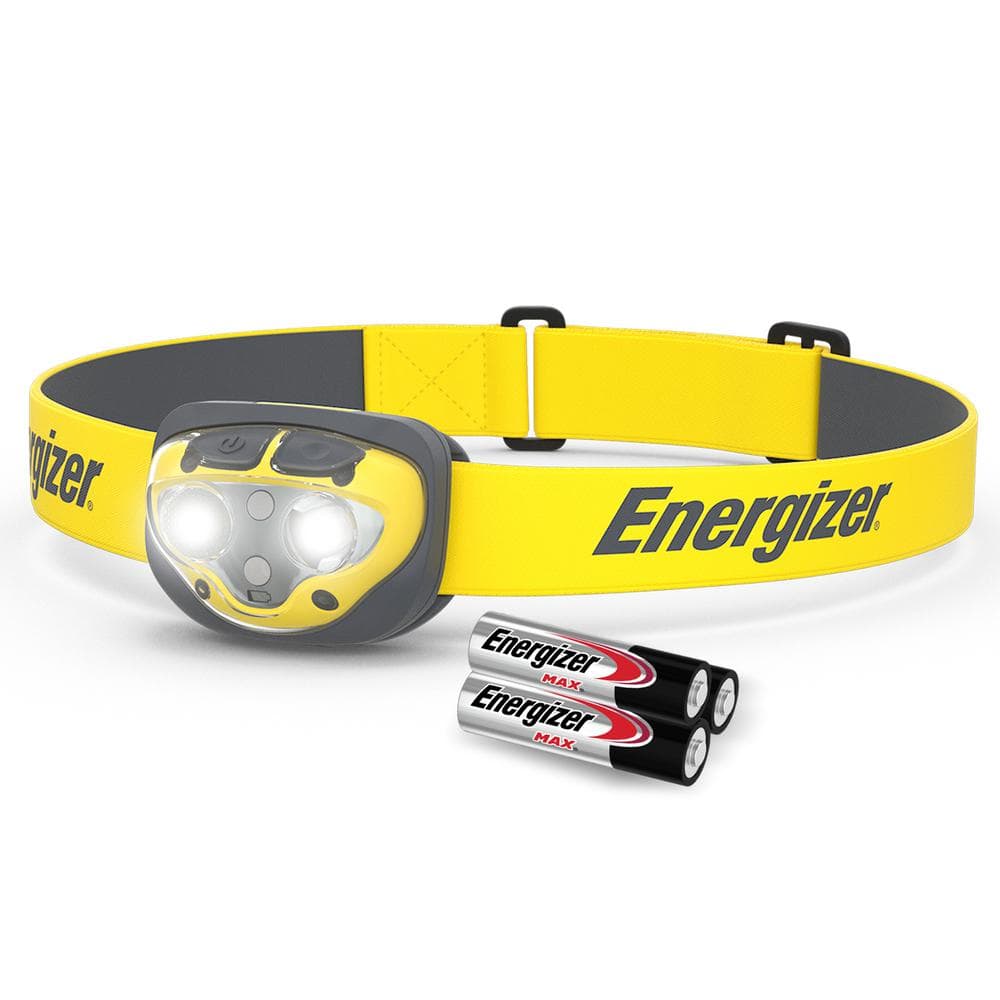
Energizer Vision HD Pro 550 Lumen LED Headlamp ENHDEB32H
Klein Tools Non Contact Voltage Tester Pen, 50 1000V AC (NCVT1PR) NCVT1PR
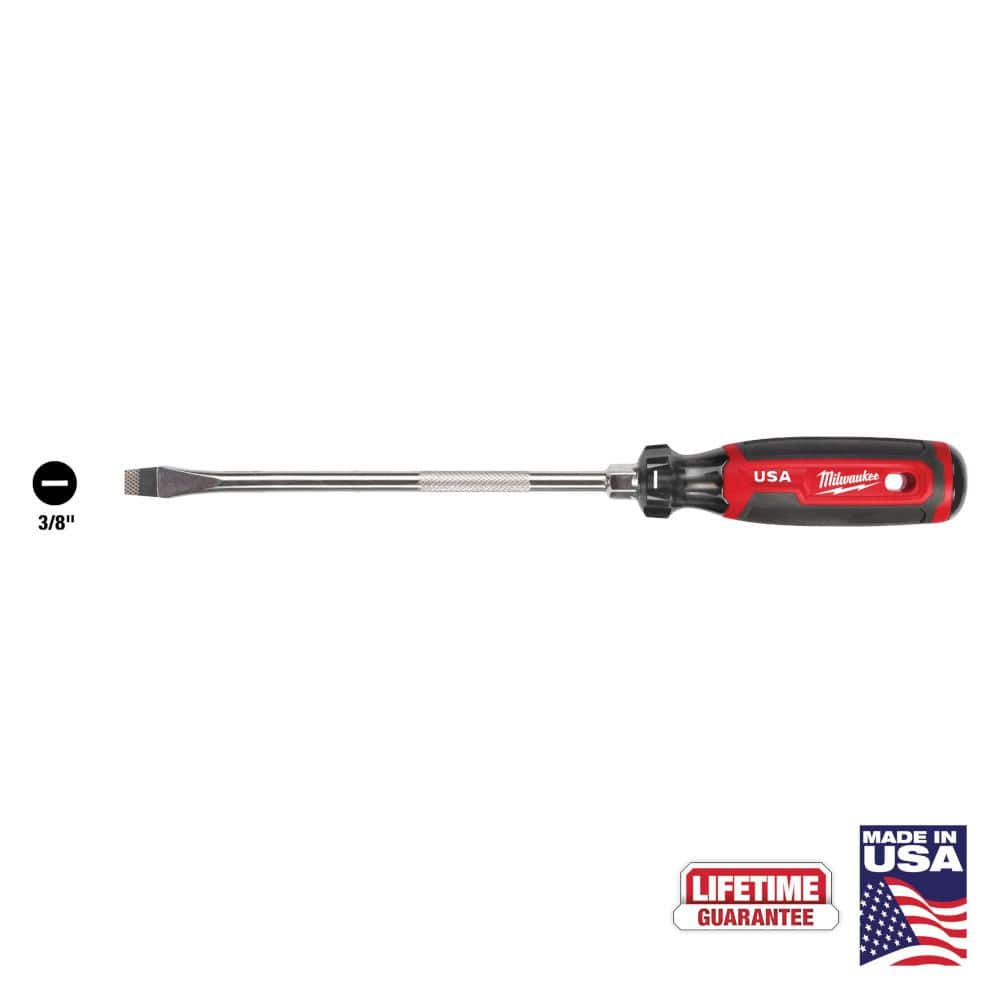
Milwaukee 8 in. x 3/8 in. Slotted Flat Head Screwdriver with Cushion Grip MT209
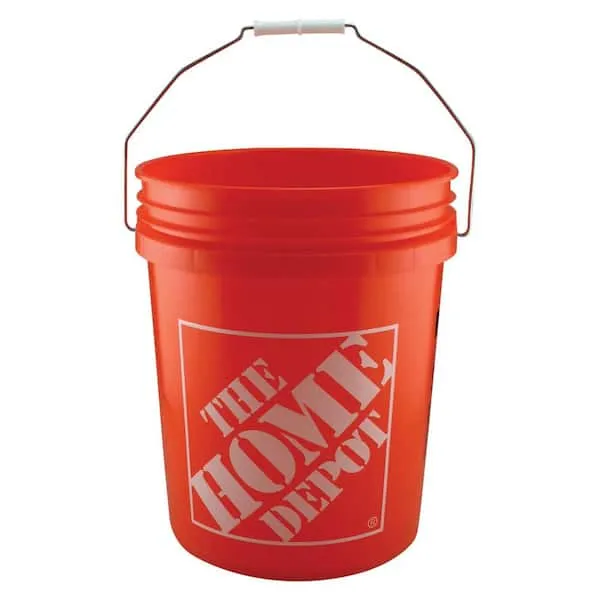
Bucket
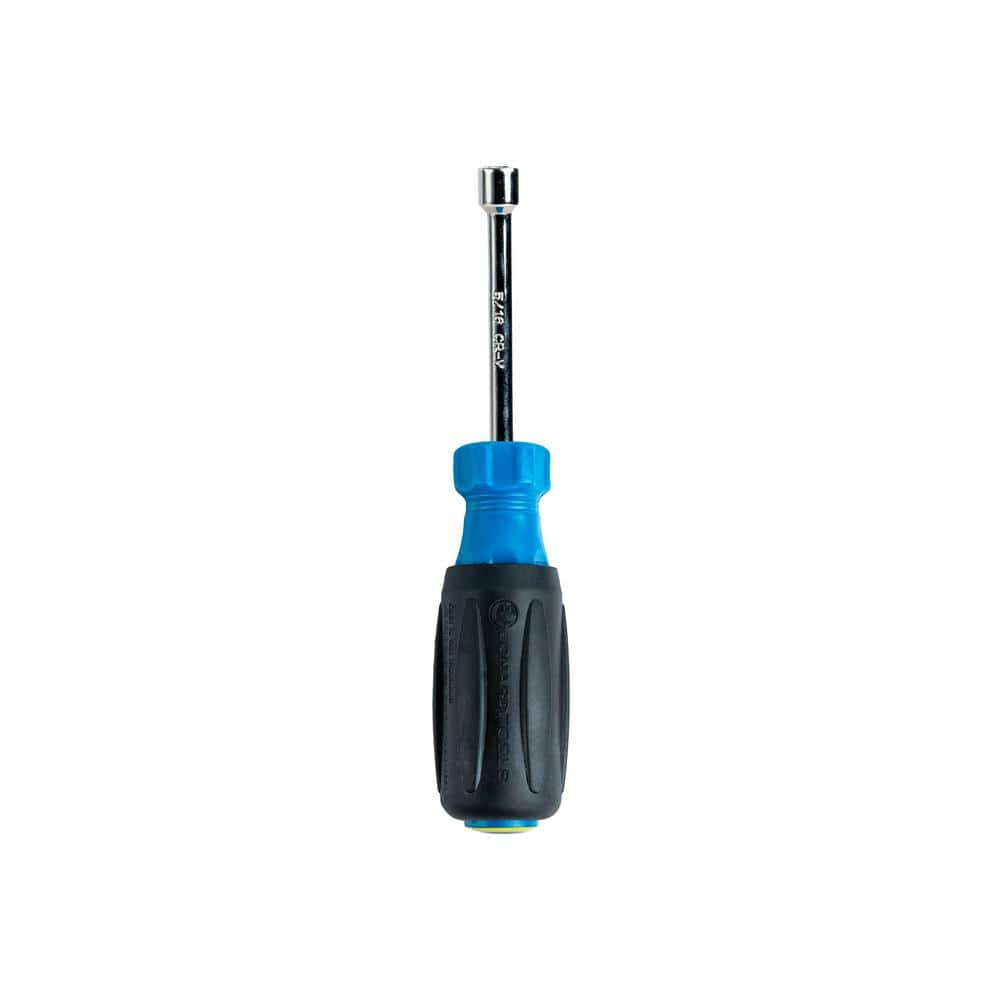
JONARD TOOLS Nut Driver, 5/16 in. Hex Tip, 3 in. Hollow Shaft with Wide Ergonomic Comfort Grip, Blue ND-630516
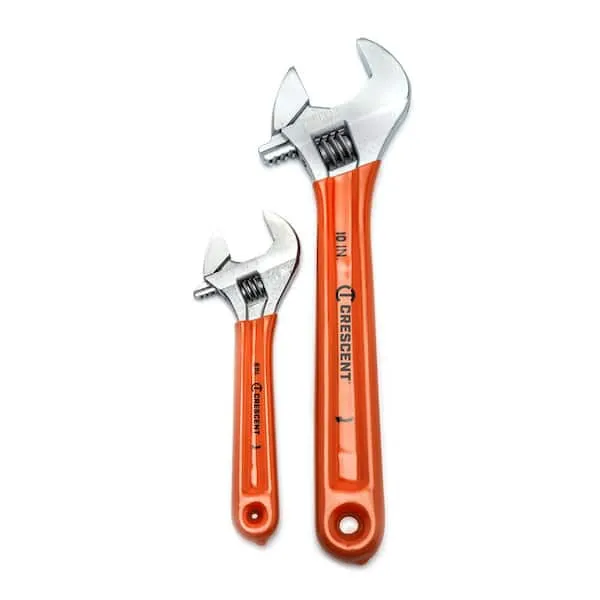
Adjustable Wrench
Energizer Vision HD Pro 550 Lumen LED Headlamp ENHDEB32H
Energizer Vision HD Pro 550-Lumen LED Headlamp packs outstanding performance into a compact LED headlamp with innovative features. Aim bright light onto your projects or activities-indoors or outdoors-from
Klein Tools Non Contact Voltage Tester Pen, 50 1000V AC (NCVT1PR) NCVT1PR
Klein Tools Non-Contact Voltage Tester detects standard voltage in cables, cords, circuit breakers, lighting fixtures, switches, non tamper-resistant outlets and wires. A bright green LED indicates the
Milwaukee 8 in. x 3/8 in. Slotted Flat Head Screwdriver with Cushion Grip MT209
The Milwaukee® 3/8" Slotted 8" Cushion Grip Screwdrivers (USA) are manufactured to give the professional the best-fitting screwdriver with max grip. These screwdriver tips are custom machined to deliver
Bucket
Ideal for carrying or storing liquids.
JONARD TOOLS Nut Driver, 5/16 in. Hex Tip, 3 in. Hollow Shaft with Wide Ergonomic Comfort Grip, Blue ND-630516
Jonard's Nut Drivers have a full length hollow shaft, making them a great tool to use on stacked circuit boards and long bolts/studs. The rubberized handle provides the user better grip on the tool in
Adjustable Wrench
Fits various nut and bolt sizes with its adjustable jaw.
Steps
Turn Off Power and Water
10 minsThe most critical first step is to completely isolate the dishwasher from its utilities. Go to your home's main electrical panel and locate the circuit breaker that powers the dishwasher. Switch it to the 'OFF' position. If it's not labeled, you may need to turn on the dishwasher and flip breakers until it turns off. Next, look under the kitchen sink for the hot water pipe that leads to the dishwasher. There will be a small shut-off valve on this line. Turn the valve handle clockwise until it stops to shut off the water supply. If there is no dedicated valve, you will have to shut off the main water supply to the entire house.
Disconnect the Drain Hose
10 minsLocate the flexible, ribbed drain hose that runs from the dishwasher to the garbage disposal under the sink. Place a bucket or shallow pan directly underneath this connection. Using a flathead screwdriver or a 5/16" nut driver, turn the screw on the metal hose clamp counter-clockwise to loosen it. Once loose, carefully pull the rubber hose off the garbage disposal nipple. Be prepared for water to drain out of the hose into your bucket. Tuck the end of the hose into the bucket to continue draining.
Disconnect the Water Supply Line
15 minsThe water supply connection is typically located at the front of the dishwasher, behind a lower access panel or kick plate. You may need to remove a few screws to take this panel off. You will see where the copper supply line connects to a brass fitting (the dishwasher inlet valve). Place towels under this connection. Using two adjustable wrenches, place one wrench on the stationary brass fitting on the dishwasher to hold it steady. Place the second wrench on the compression nut of the copper line. Turn the compression nut counter-clockwise to loosen and disconnect it. A small amount of water will dribble out. Using two wrenches is crucial to prevent twisting and breaking the copper pipe or the dishwasher's valve.
Disconnect the Electrical Wiring
15 minsThe electrical connection is typically in a small metal junction box near the water inlet connection, behind the same kick plate. Use a screwdriver to remove the cover plate from this box. Before touching any wires, use a non-contact voltage tester to confirm that the power is off. Probe near the wires inside the box; the tester should not light up or beep. Once confirmed safe, use a screwdriver or your fingers to unscrew the plastic wire nuts connecting the black (hot), white (neutral), and green or bare copper (ground) wires. Unscrew the ground wire if it's attached directly to the box. Finally, loosen the strain relief clamp (a metal or plastic clamp where the armored cable enters the box) with a screwdriver or pliers so you can pull the cable free from the dishwasher's junction box.
Unsecure and Slide Out
15 minsLay a piece of cardboard or a blanket on the floor in front of the dishwasher to prevent scratching. Open the dishwasher door and look along the top frame. You will see two metal brackets, each with a screw going up into the underside of the countertop. Use a screwdriver to remove these screws. With the dishwasher now free, you may need to lower its adjustable feet to gain clearance. The feet are typically large plastic screws at the front corners (and sometimes the back) that can be turned with pliers or a wrench to lower the unit. Once lowered, grasp the sides of the dishwasher door and gently begin to slide the unit straight out of the cabinet opening. Be mindful of the water line, drain hose, and electrical cable, feeding them through the opening as you pull.
Common Problems
Make sure that water is completely off before proceeding to the next step.
Solution: To avoid this issue: Be mindful of this warning and take appropriate precautions.
Main water supply can't be turned off at the dishwasher.
Solution: If the local shut-off valves won't turn or are broken, you must go shut off the main water valve for the house.
Failure to shut off the main water supply will result in uncontrolled water flow when the cartridge is removed.
Solution: To avoid this issue: Be mindful of this warning and take appropriate precautions.
Failure to completely shut off the main water supply will result in uncontrolled water flow and potential property damage when the pipe is cut.
Solution: To avoid this issue: Be mindful of this warning and take appropriate precautions.
Confirm that the power is off using a non-contact voltage tester on the wires at the water heater if you are unsure.
Solution: To avoid this issue: Be mindful of this warning and take appropriate precautions.
Be sure to remove the knocked-out plastic plug from inside the disposal's grinding chamber.
Solution: To avoid this issue: Be mindful of this warning and take appropriate precautions.
Wiring the disposal under the sink is difficult and time-consuming.
Solution: Wire the disposal on a countertop before installing it under the sink. It's much more difficult to do this step while lying on your back under the sink.
Frequently Asked Questions
What are the absolute first steps I need to take to ensure safety before starting any work on the dishwasher?
Before touching anything, locate and completely shut off the electrical breaker dedicated to your dishwasher. Next, find and turn off the water supply valve to the dishwasher, usually located under the sink. Confirm both are off to prevent electric shock and significant water damage.
Is this project truly beginner-friendly, and how long should I expect the removal process to take?
Yes, removing a dishwasher is considered beginner-friendly as it involves basic tools and clear steps. For a first-timer, expect the process to take approximately 1 to 2 hours, depending on how easily components detach and how much space you have to work.
The project lists several tools; are these essential, and should I have anything else ready?
The listed screwdrivers and adjustable wrench are essential for disconnecting lines and unsecuring the unit. Additionally, have a bucket and plenty of towels (like the Wypall L40) ready for residual water. A headlamp or flashlight can also be very helpful for working in cramped spaces under the sink.
What should I do if I disconnect a line and water keeps coming out, even after turning off the supply?
A small amount of residual water is normal, which is why a bucket and towels are crucial. If a significant leak persists, double-check that the main water supply valve to the dishwasher or the entire house is completely closed. If it's a stubborn drip, quickly connect a cap or plug if available, or continue to manage with towels and the bucket.
My dishwasher is secured to the countertop or cabinets and won't slide out. How do I unsecure it properly?
Most dishwashers are secured by screws attached to the underside of the countertop or to the side cabinets. Look for these mounting screws along the top edge of the dishwasher frame, inside the door opening, or sometimes on the side panels. Unscrew these completely before attempting to slide the unit out.
Once the old dishwasher is removed, what's the recommended way to dispose of it?
Check with your local municipal waste management services or sanitation department for their specific guidelines on appliance disposal, as rules vary by location. Many offer bulk item pickup services or have designated recycling centers for large appliances. You may also consider donating a functional unit.